how many calories in 1 oz of walnutsmy cat keeps bringing in baby bunnies
Sign up to our newsletter for the latest news and special offers. As long as the amount of the above hazards is below the threshold outlined by NIOSH (see your safety data sheet), respirator manufacturers have made it easier than ever to choose the correct filtration media. Each manufacturer is responsible for updating the links on their website and/or providing NIOSH with an updated or revised copy when changes are made. In some cases, it is possible to attach a P100 filter to a multi-gas cartridge and save money. 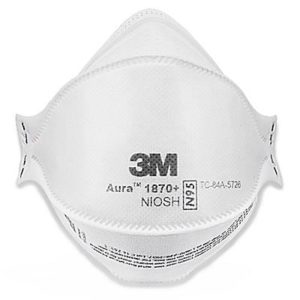 J. Appi. 2013;10(9):519-25. doi: 10.1080/15459624.2013.818229. Available at, Centers for Disease Control and Prevention (CDC) : Interim Guidance for Infection Control for Care of Patients with Confirmed or Suspected Novel Influenza A (H1N1) Virus Infection in a Healthcare Setting. COVID-19 guide to face masks and filtering facepiece respirators, Guide to decontamination methods for filtering facepiece respirators, FDA Personal Protective Equipment EUA Update Guide, Guide to isolation and surgical gown selection, FDA recall of hand sanitizers containing methanol and 1-propanol, Appendix A: Authorized Imported, Non-NIOSH Approved Respirators Manufactured in China, Exhibit 1: Authorized Imported, Non-NIOSH Approved Disposable Filtering Facepiece Respirators. According to the CDC, a surgical N95 respirator is not necessary for providers caring for patients with suspected or confirmed COVID-19 disease; a standard N95 respirator can be used. Follow these steps to search for NIOSH-approved disposable particulate respirators: If your product is not listed, you should scroll through the list of Private Label products. and transmitted securely. The plan, of course, is to prevent falls on the job all together. Cleaning and disinfecting. Assigned Protection Factors (APFs). Examples include toluene and methylene chloride. The respirators shall be cleaned and disinfected at the following intervals: The moisture content in the cylinder does not exceed a dew point of 50 F (45.6 C) at 1 atmosphere pressure. For the best experience on our site, be sure to turn on Javascript in your browser. There are 10 classifications of NIOSH-approved particulate FFRs, described in Table 2. The employer shall not permit respirators with tight-fitting facepieces to be worn by employees who have: Facial hair that comes between the sealing surface of the facepiece and the face or that interferes with valve function; or. Fumes also may be formed from processes such as plastic injection or extrusion molding. The employer shall regularly consult employees required to use respirators to assess the employees' views on program effectiveness and to identify any problems. The employer shall select and provide an appropriate respirator based on the respiratory hazard(s) to which the worker is exposed and workplace and user factors that affect respirator performance and reliability. Quantitative fit test (QNFT) means an assessment of the adequacy of respirator fit by numerically measuring the amount of leakage into the respirator. Surgical masks are worn during surgical procedures to protect the sterile field as well as the patient. All Rights Reserved. The employer shall ensure that each employee can demonstrate knowledge of at least the following: Why the respirator is necessary and how improper fit, usage, or maintenance can compromise the protective effect of the respirator; What the limitations and capabilities of the respirator are; How to use the respirator effectively in emergency situations, including situations in which the respirator malfunctions; How to inspect, put on and remove, use, and check the seals of the respirator; What the procedures are for maintenance and storage of the respirator; How to recognize medical signs and symptoms that may limit or prevent the effective use of respirators; and. Where the employer cannot identify or reasonably estimate the employee exposure, the employer shall consider the atmosphere to be IDLH. To improve your browsing experience we recommend you upgrade your browser to Safari, Chrome, Microsoft Edge or Firefox. [63 FR 1152, Jan. 8, 1998; 63 FR 20098, April 23, 1998; 71 FR 16672, April 3, 2006; 71 FR 50187, August 24, 2006; 73 FR 75584, Dec. 12, 2008; 76 FR 33606, June 8, 2011; 84 FR 50755, Sept. 26, 2019], Occupational Safety & Health Administration. If after passing a QLFT or QNFT, the employee subsequently notifies the employer, program administrator, supervisor, or PLHCP that the fit of the respirator is unacceptable, the employee shall be given a reasonable opportunity to select a different respirator facepiece and to be retested. During an infectious disease outbreak, health care workers are on the front lines and therefore at increased risk of being exposed to and contracting the disease. Nanoparticle filtration performance of filtering facepiece respirators and canister/cartridge filters. Disclaimer, National Library of Medicine Because of this, surgical masks are not considered a form of respiratory protection. Intended for use to cover the nose and mouth of the wearer. Individual filtering facepiece respirators are required to have the following markings: NIOSH recommends the lot number and/or date of manufacture also be included, however, this is not required. Manufacturers recommended procedures for performing a user seal check can be included in the donning procedures and/or user instructions as alternatives to the OSHA-specified procedures under the respiratory protection standard (See 29 CFR 1910.134 Appendix B-1external icon). The employer shall ensure that compressed oxygen is not used in atmosphere-supplying respirators that have previously used compressed air. The figure below shows the markings used to identify approved NIOSH respirators. An employer may provide respirators at the request of employees or permit employees to use their own respirators, if the employer determines that such respirator use will not in itself create a hazard. Service life means the period of time that a respirator, filter or sorbent, or other respiratory equipment provides adequate protection to the wearer. The employer shall conduct evaluations of the workplace as necessary to ensure that the provisions of the current written program are being effectively implemented and that it continues to be effective. Not resistant to oil. Any other situation arises in which retraining appears necessary to ensure safe respirator use. Fit test records shall be retained for respirator users until the next fit test is administered. 2The assigned protection factors in Table 1 are only effective when the employer implements a continuing, effective respirator program as required by this section (29 CFR 1910.134), including training, fit testing, maintenance, and use requirements. NIOSH in block letters or the NIOSH logo, NIOSH testing and certification approval number (e.g., TC-84A-XXXX), NIOSH filter series and filter efficiency level (e.g., N95, N99, N100, R95, P95, P99, P100)Model number or part number: The approval holders respirator model number or part number, represented by a series of numbers or alphanumeric markings (e.g., 8577 or 8577A). A disposable FFR used in a health care setting. Repairs or adjustments to respirators are to be made only by persons appropriately trained to perform such operations and shall use only the respirator manufacturer's NIOSH-approved parts designed for the respirator; Repairs shall be made according to the manufacturer's recommendations and specifications for the type and extent of repairs to be performed; and. Compressed breathing air shall meet at least the requirements for Grade D breathing air described in ANSI/Compressed Gas Association Commodity Specification for Air, G-7.1-1989, to include: Hydrocarbon (condensed) content of 5 milligrams per cubic meter of air or less; Carbon monoxide (CO) content of 10 ppm or less; Carbon dioxide content of 1,000 ppm or less; and. The employer shall identify and evaluate the respiratory hazard(s) in the workplace; this evaluation shall include a reasonable estimate of employee exposures to respiratory hazard(s) and an identification of the contaminant's chemical state and physical form. Hogan C.J., Kettleson E.M., Lee M-H, Ramaswami B., Angenent L.T., and Biswas P.: Sampling methodologies and dosage assessment techniques for submicrometer and ultrafine virus aerosol particles. May 13, 2009. The employer shall provide respirators, training, and medical evaluations at no cost to the employee. Somewhat resistant to oil. The MUC can be determined mathematically by multiplying the assigned protection factor specified for a respirator by the required OSHA permissible exposure limit, short-term exposure limit, or ceiling limit. For information about Coronavirus Disease 2019, visit https://www.cdc.gov/coronavirus/2019-ncov/index.html. Any condition that interferes with the face-to-facepiece seal or valve function. NIOSH-approved filtering facepiece respirator classifications. For oil-lubricated compressors, the employer shall use a high-temperature or carbon monoxide alarm, or both, to monitor carbon monoxide levels. Dust and Fibers: These are "are solid particles that are formed or generated from solid materials through mechanical processes such as crushing, grinding, drilling, abrading or blasting. Source: Centers for Disease Control and Prevention. Absent such testing, all other PAPRs and SARs with helmets/hoods are to be treated as loose-fitting facepiece respirators, and receive an APF of 25. These respirators filter 99.7%
In the For Protections Against section, select N95, N99, N100, R95, P95, or P100. Particulate respirators filter out airborne particles and can be further categorized as: NIOSH-approved N95 respirators are tested and certified as meeting the standards established in 42 CFR 84. The Small Entity Compliance Guide contains criteria for the selection of a program administrator and a sample program that meets the requirements of this paragraph. A mask that covers the users nose and mouth. The employer shall provide a respirator that is adequate to protect the health of the employee and ensure compliance with all other OSHA statutory and regulatory requirements, under routine and reasonably foreseeable emergency situations. A written copy of the current respirator program shall be retained by the employer. This shortage has revealed two critical information needs: (1) understanding of the various types of respiratory protection devices and the varying degrees of protection they provide, and (2) accurate information about approved respiratory protection devices. 1Employers may select respirators assigned for use in higher workplace concentrations of a hazardous substance for use at lower concentrations of that substance, or when required respirator use is independent of concentration. The following definitions are important terms used in the respiratory protection standard in this section. The employer shall determine that the regulator and warning devices function properly. The fit test shall be administered using an OSHA-accepted QLFT or QNFT protocol. Respirators provided only for escape from IDLH atmospheres shall be NIOSH-certified for escape from the atmosphere in which they will be used. Maximum use concentration (MUC) means the maximum atmospheric concentration of a hazardous substance from which an employee can be expected to be protected when wearing a respirator, and is determined by the assigned protection factor of the respirator or class of respirators and the exposure limit of the hazardous substance. The Centers for Disease Control and Prevention (CDC) cannot attest to the accuracy of a non-federal website. Supplied-Air Respirator (SAR) or Airline Respirator, 4. Quantitative fit testing of these respirators shall be accomplished by modifying the facepiece to allow sampling inside the facepiece in the breathing zone of the user, midway between the nose and mouth. Loose-fitting facepiece means a respiratory inlet covering that is designed to form a partial seal with the face. The employer shall provide a medical evaluation to determine the employee's ability to use a respirator, before the employee is fit tested or required to use the respirator in the workplace. Careers. There are a huge variety of filters and cartridges available for half mask and full face respirators.
J. Appi. 2013;10(9):519-25. doi: 10.1080/15459624.2013.818229. Available at, Centers for Disease Control and Prevention (CDC) : Interim Guidance for Infection Control for Care of Patients with Confirmed or Suspected Novel Influenza A (H1N1) Virus Infection in a Healthcare Setting. COVID-19 guide to face masks and filtering facepiece respirators, Guide to decontamination methods for filtering facepiece respirators, FDA Personal Protective Equipment EUA Update Guide, Guide to isolation and surgical gown selection, FDA recall of hand sanitizers containing methanol and 1-propanol, Appendix A: Authorized Imported, Non-NIOSH Approved Respirators Manufactured in China, Exhibit 1: Authorized Imported, Non-NIOSH Approved Disposable Filtering Facepiece Respirators. According to the CDC, a surgical N95 respirator is not necessary for providers caring for patients with suspected or confirmed COVID-19 disease; a standard N95 respirator can be used. Follow these steps to search for NIOSH-approved disposable particulate respirators: If your product is not listed, you should scroll through the list of Private Label products. and transmitted securely. The plan, of course, is to prevent falls on the job all together. Cleaning and disinfecting. Assigned Protection Factors (APFs). Examples include toluene and methylene chloride. The respirators shall be cleaned and disinfected at the following intervals: The moisture content in the cylinder does not exceed a dew point of 50 F (45.6 C) at 1 atmosphere pressure. For the best experience on our site, be sure to turn on Javascript in your browser. There are 10 classifications of NIOSH-approved particulate FFRs, described in Table 2. The employer shall not permit respirators with tight-fitting facepieces to be worn by employees who have: Facial hair that comes between the sealing surface of the facepiece and the face or that interferes with valve function; or. Fumes also may be formed from processes such as plastic injection or extrusion molding. The employer shall regularly consult employees required to use respirators to assess the employees' views on program effectiveness and to identify any problems. The employer shall select and provide an appropriate respirator based on the respiratory hazard(s) to which the worker is exposed and workplace and user factors that affect respirator performance and reliability. Quantitative fit test (QNFT) means an assessment of the adequacy of respirator fit by numerically measuring the amount of leakage into the respirator. Surgical masks are worn during surgical procedures to protect the sterile field as well as the patient. All Rights Reserved. The employer shall ensure that each employee can demonstrate knowledge of at least the following: Why the respirator is necessary and how improper fit, usage, or maintenance can compromise the protective effect of the respirator; What the limitations and capabilities of the respirator are; How to use the respirator effectively in emergency situations, including situations in which the respirator malfunctions; How to inspect, put on and remove, use, and check the seals of the respirator; What the procedures are for maintenance and storage of the respirator; How to recognize medical signs and symptoms that may limit or prevent the effective use of respirators; and. Where the employer cannot identify or reasonably estimate the employee exposure, the employer shall consider the atmosphere to be IDLH. To improve your browsing experience we recommend you upgrade your browser to Safari, Chrome, Microsoft Edge or Firefox. [63 FR 1152, Jan. 8, 1998; 63 FR 20098, April 23, 1998; 71 FR 16672, April 3, 2006; 71 FR 50187, August 24, 2006; 73 FR 75584, Dec. 12, 2008; 76 FR 33606, June 8, 2011; 84 FR 50755, Sept. 26, 2019], Occupational Safety & Health Administration. If after passing a QLFT or QNFT, the employee subsequently notifies the employer, program administrator, supervisor, or PLHCP that the fit of the respirator is unacceptable, the employee shall be given a reasonable opportunity to select a different respirator facepiece and to be retested. During an infectious disease outbreak, health care workers are on the front lines and therefore at increased risk of being exposed to and contracting the disease. Nanoparticle filtration performance of filtering facepiece respirators and canister/cartridge filters. Disclaimer, National Library of Medicine Because of this, surgical masks are not considered a form of respiratory protection. Intended for use to cover the nose and mouth of the wearer. Individual filtering facepiece respirators are required to have the following markings: NIOSH recommends the lot number and/or date of manufacture also be included, however, this is not required. Manufacturers recommended procedures for performing a user seal check can be included in the donning procedures and/or user instructions as alternatives to the OSHA-specified procedures under the respiratory protection standard (See 29 CFR 1910.134 Appendix B-1external icon). The employer shall ensure that compressed oxygen is not used in atmosphere-supplying respirators that have previously used compressed air. The figure below shows the markings used to identify approved NIOSH respirators. An employer may provide respirators at the request of employees or permit employees to use their own respirators, if the employer determines that such respirator use will not in itself create a hazard. Service life means the period of time that a respirator, filter or sorbent, or other respiratory equipment provides adequate protection to the wearer. The employer shall conduct evaluations of the workplace as necessary to ensure that the provisions of the current written program are being effectively implemented and that it continues to be effective. Not resistant to oil. Any other situation arises in which retraining appears necessary to ensure safe respirator use. Fit test records shall be retained for respirator users until the next fit test is administered. 2The assigned protection factors in Table 1 are only effective when the employer implements a continuing, effective respirator program as required by this section (29 CFR 1910.134), including training, fit testing, maintenance, and use requirements. NIOSH in block letters or the NIOSH logo, NIOSH testing and certification approval number (e.g., TC-84A-XXXX), NIOSH filter series and filter efficiency level (e.g., N95, N99, N100, R95, P95, P99, P100)Model number or part number: The approval holders respirator model number or part number, represented by a series of numbers or alphanumeric markings (e.g., 8577 or 8577A). A disposable FFR used in a health care setting. Repairs or adjustments to respirators are to be made only by persons appropriately trained to perform such operations and shall use only the respirator manufacturer's NIOSH-approved parts designed for the respirator; Repairs shall be made according to the manufacturer's recommendations and specifications for the type and extent of repairs to be performed; and. Compressed breathing air shall meet at least the requirements for Grade D breathing air described in ANSI/Compressed Gas Association Commodity Specification for Air, G-7.1-1989, to include: Hydrocarbon (condensed) content of 5 milligrams per cubic meter of air or less; Carbon monoxide (CO) content of 10 ppm or less; Carbon dioxide content of 1,000 ppm or less; and. The employer shall identify and evaluate the respiratory hazard(s) in the workplace; this evaluation shall include a reasonable estimate of employee exposures to respiratory hazard(s) and an identification of the contaminant's chemical state and physical form. Hogan C.J., Kettleson E.M., Lee M-H, Ramaswami B., Angenent L.T., and Biswas P.: Sampling methodologies and dosage assessment techniques for submicrometer and ultrafine virus aerosol particles. May 13, 2009. The employer shall provide respirators, training, and medical evaluations at no cost to the employee. Somewhat resistant to oil. The MUC can be determined mathematically by multiplying the assigned protection factor specified for a respirator by the required OSHA permissible exposure limit, short-term exposure limit, or ceiling limit. For information about Coronavirus Disease 2019, visit https://www.cdc.gov/coronavirus/2019-ncov/index.html. Any condition that interferes with the face-to-facepiece seal or valve function. NIOSH-approved filtering facepiece respirator classifications. For oil-lubricated compressors, the employer shall use a high-temperature or carbon monoxide alarm, or both, to monitor carbon monoxide levels. Dust and Fibers: These are "are solid particles that are formed or generated from solid materials through mechanical processes such as crushing, grinding, drilling, abrading or blasting. Source: Centers for Disease Control and Prevention. Absent such testing, all other PAPRs and SARs with helmets/hoods are to be treated as loose-fitting facepiece respirators, and receive an APF of 25. These respirators filter 99.7%
In the For Protections Against section, select N95, N99, N100, R95, P95, or P100. Particulate respirators filter out airborne particles and can be further categorized as: NIOSH-approved N95 respirators are tested and certified as meeting the standards established in 42 CFR 84. The Small Entity Compliance Guide contains criteria for the selection of a program administrator and a sample program that meets the requirements of this paragraph. A mask that covers the users nose and mouth. The employer shall provide a respirator that is adequate to protect the health of the employee and ensure compliance with all other OSHA statutory and regulatory requirements, under routine and reasonably foreseeable emergency situations. A written copy of the current respirator program shall be retained by the employer. This shortage has revealed two critical information needs: (1) understanding of the various types of respiratory protection devices and the varying degrees of protection they provide, and (2) accurate information about approved respiratory protection devices. 1Employers may select respirators assigned for use in higher workplace concentrations of a hazardous substance for use at lower concentrations of that substance, or when required respirator use is independent of concentration. The following definitions are important terms used in the respiratory protection standard in this section. The employer shall determine that the regulator and warning devices function properly. The fit test shall be administered using an OSHA-accepted QLFT or QNFT protocol. Respirators provided only for escape from IDLH atmospheres shall be NIOSH-certified for escape from the atmosphere in which they will be used. Maximum use concentration (MUC) means the maximum atmospheric concentration of a hazardous substance from which an employee can be expected to be protected when wearing a respirator, and is determined by the assigned protection factor of the respirator or class of respirators and the exposure limit of the hazardous substance. The Centers for Disease Control and Prevention (CDC) cannot attest to the accuracy of a non-federal website. Supplied-Air Respirator (SAR) or Airline Respirator, 4. Quantitative fit testing of these respirators shall be accomplished by modifying the facepiece to allow sampling inside the facepiece in the breathing zone of the user, midway between the nose and mouth. Loose-fitting facepiece means a respiratory inlet covering that is designed to form a partial seal with the face. The employer shall provide a medical evaluation to determine the employee's ability to use a respirator, before the employee is fit tested or required to use the respirator in the workplace. Careers. There are a huge variety of filters and cartridges available for half mask and full face respirators.  99: 14221434 (2005). If the respirator is a negative pressure respirator and the PLHCP finds a medical condition that may place the employee's health at increased risk if the respirator is used, the employer shall provide a PAPR if the PLHCP's medical evaluation finds that the employee can use such a respirator; if a subsequent medical evaluation finds that the employee is medically able to use a negative pressure respirator, then the employer is no longer required to provide a PAPR. If only high-temperature alarms are used, the air supply shall be monitored at intervals sufficient to prevent carbon monoxide in the breathing air from exceeding 10 ppm. We'd be glad to assist you with that. For additional assistance with the Certified Equipment List, see the instructions and tips page. Respirators for atmospheres that are not IDLH. The .gov means its official. The mean penetrations of viable MS2 through the N95 and P100 FFRs/cartridges were typically less than 2 and 0.03%, respectively, under all flow conditions. Any problems that are identified during this assessment shall be corrected. Such conditions include, but are not limited to, facial scarring, dental changes, cosmetic surgery, or an obvious change in body weight. When the calculated MUC exceeds the IDLH level for a hazardous substance, or the performance limits of the cartridge or canister, then employers must set the maximum MUC at that lower limit. The CDC and NIOSH recommend that consumers always verify that respirators are listed on the approved NIOSH list. Selection of respirators. Confined space gas detectors all have the ability to perform an auto zero function on Hip D-Rings, also known as "Side D-Rings" or "Positioning D-Rings" are usually an option on One of our vendors, Frenchcreek, often asks at its fall protection training sessions: "what's the Our Gas Monitor Repair Center sees a lot of gas monitors. FDA definitions of face masks, filter facepiece respirators and surgical respirators. A respirator shall be provided to each employee when such equipment is necessary to protect the health of such employee. If an employee wears corrective glasses or goggles or other personal protective equipment, the employer shall ensure that such equipment is worn in a manner that does not interfere with the seal of the facepiece to the face of the user. Respirators issued for the exclusive use of an employee shall be cleaned and disinfected as often as necessary to be maintained in a sanitary condition; Respirators issued to more than one employee shall be cleaned and disinfected before being worn by different individuals; Respirators maintained for emergency use shall be cleaned and disinfected after each use; and. The employer shall ensure that respirator inspections include the following: A check of respirator function, tightness of connections, and the condition of the various parts including, but not limited to, the facepiece, head straps, valves, connecting tube, and cartridges, canisters or filters; and. 2022 Jul 2;127:91-100. doi: 10.1016/j.jhin.2022.06.016. Mask effectiveness against viral illnesses in health care professionals. Epub 2013 Oct 9. For all tight-fitting respirators, the employer shall ensure that employees perform a user seal check each time they put on the respirator using the procedures in appendix B-1 or procedures recommended by the respirator manufacturer that the employer demonstrates are as effective as those in appendix B-1 of this section. Select from 3M, Moldex and Wilson N100 and P100
Temperature and humidity extremes that may be encountered. It is important to understand the differences in the types of NIOSH-approved respirators for use in U.S. health care settings, as they provide different levels of protection based on performance and quality standards. Exception: If the employer demonstrates that, under all foreseeable conditions, the oxygen concentration can be maintained within the ranges specified in Table II of this section (i.e., for the altitudes set out in the table), then any atmosphere-supplying respirator may be used. If the fit factor, as determined through an OSHA-accepted QNFT protocol, is equal to or greater than 100 for tight-fitting half facepieces, or equal to or greater than 500 for tight-fitting full facepieces, the QNFT has been passed with that respirator. No asphyxiating substance shall be introduced into breathing air lines. The following information must be provided to the PLHCP before the PLHCP makes a recommendation concerning an employee's ability to use a respirator: (A) The type and weight of the respirator to be used by the employee; The duration and frequency of respirator use (including use for rescue and escape); Additional protective clothing and equipment to be worn; and. The CDC website provides a list of NIOSH-approved particulate FFRs. This paragraph also requires the employer to provide the basic information on respirators in appendix D of this section to employees who wear respirators when not required by this section or by the employer to do so. Not resistant to oil. For compressors that are not oil-lubricated, the employer shall ensure that carbon monoxide levels in the breathing air do not exceed 10 ppm. Immediately dangerous to life or health (IDLH) means an atmosphere that poses an immediate threat to life, would cause irreversible adverse health effects, or would impair an individual's ability to escape from a dangerous atmosphere. A disposable half-facepiece nonpowered air-purifying particulate respirator. The N, R, and P designations refer to the filters oil resistance as described below. Surgical N95 A NIOSH-approved N95 respirator that has also been cleared by the Food and Drug Administration (FDA) as a surgical mask. One employee or, when needed, more than one employee is located outside the IDLH atmosphere; Visual, voice, or signal line communication is maintained between the employee(s) in the IDLH atmosphere and the employee(s) located outside the IDLH atmosphere; The employee(s) located outside the IDLH atmosphere are trained and equipped to provide effective emergency rescue; The employer or designee is notified before the employee(s) located outside the IDLH atmosphere enter the IDLH atmosphere to provide emergency rescue; The employer or designee authorized to do so by the employer, once notified, provides necessary assistance appropriate to the situation; Employee(s) located outside the IDLH atmospheres are equipped with: Pressure demand or other positive pressure SCBAs, or a pressure demand or other positive pressure supplied-air respirator with auxiliary SCBA; and either, Appropriate retrieval equipment for removing the employee(s) who enter(s) these hazardous atmospheres where retrieval equipment would contribute to the rescue of the employee(s) and would not increase the overall risk resulting from entry; or. Oxygen deficient atmosphere means an atmosphere with an oxygen content below 19.5% by volume. eCollection 2021 Oct. Polymers (Basel). The employer shall ensure that breathing air couplings are incompatible with outlets for nonrespirable worksite air or other gas systems. This will impact your experience of the Vizient website and may prevent you from accessing certain features and important security updates. Appendices. Figure. This guide is intended to condense the wealth of available information into a concise, easy-to-read document to help members make informed decisions about the selection of proper respiratory protection for the COVID-19 crisis as well as other potential hazards.
99: 14221434 (2005). If the respirator is a negative pressure respirator and the PLHCP finds a medical condition that may place the employee's health at increased risk if the respirator is used, the employer shall provide a PAPR if the PLHCP's medical evaluation finds that the employee can use such a respirator; if a subsequent medical evaluation finds that the employee is medically able to use a negative pressure respirator, then the employer is no longer required to provide a PAPR. If only high-temperature alarms are used, the air supply shall be monitored at intervals sufficient to prevent carbon monoxide in the breathing air from exceeding 10 ppm. We'd be glad to assist you with that. For additional assistance with the Certified Equipment List, see the instructions and tips page. Respirators for atmospheres that are not IDLH. The .gov means its official. The mean penetrations of viable MS2 through the N95 and P100 FFRs/cartridges were typically less than 2 and 0.03%, respectively, under all flow conditions. Any problems that are identified during this assessment shall be corrected. Such conditions include, but are not limited to, facial scarring, dental changes, cosmetic surgery, or an obvious change in body weight. When the calculated MUC exceeds the IDLH level for a hazardous substance, or the performance limits of the cartridge or canister, then employers must set the maximum MUC at that lower limit. The CDC and NIOSH recommend that consumers always verify that respirators are listed on the approved NIOSH list. Selection of respirators. Confined space gas detectors all have the ability to perform an auto zero function on Hip D-Rings, also known as "Side D-Rings" or "Positioning D-Rings" are usually an option on One of our vendors, Frenchcreek, often asks at its fall protection training sessions: "what's the Our Gas Monitor Repair Center sees a lot of gas monitors. FDA definitions of face masks, filter facepiece respirators and surgical respirators. A respirator shall be provided to each employee when such equipment is necessary to protect the health of such employee. If an employee wears corrective glasses or goggles or other personal protective equipment, the employer shall ensure that such equipment is worn in a manner that does not interfere with the seal of the facepiece to the face of the user. Respirators issued for the exclusive use of an employee shall be cleaned and disinfected as often as necessary to be maintained in a sanitary condition; Respirators issued to more than one employee shall be cleaned and disinfected before being worn by different individuals; Respirators maintained for emergency use shall be cleaned and disinfected after each use; and. The employer shall ensure that respirator inspections include the following: A check of respirator function, tightness of connections, and the condition of the various parts including, but not limited to, the facepiece, head straps, valves, connecting tube, and cartridges, canisters or filters; and. 2022 Jul 2;127:91-100. doi: 10.1016/j.jhin.2022.06.016. Mask effectiveness against viral illnesses in health care professionals. Epub 2013 Oct 9. For all tight-fitting respirators, the employer shall ensure that employees perform a user seal check each time they put on the respirator using the procedures in appendix B-1 or procedures recommended by the respirator manufacturer that the employer demonstrates are as effective as those in appendix B-1 of this section. Select from 3M, Moldex and Wilson N100 and P100
Temperature and humidity extremes that may be encountered. It is important to understand the differences in the types of NIOSH-approved respirators for use in U.S. health care settings, as they provide different levels of protection based on performance and quality standards. Exception: If the employer demonstrates that, under all foreseeable conditions, the oxygen concentration can be maintained within the ranges specified in Table II of this section (i.e., for the altitudes set out in the table), then any atmosphere-supplying respirator may be used. If the fit factor, as determined through an OSHA-accepted QNFT protocol, is equal to or greater than 100 for tight-fitting half facepieces, or equal to or greater than 500 for tight-fitting full facepieces, the QNFT has been passed with that respirator. No asphyxiating substance shall be introduced into breathing air lines. The following information must be provided to the PLHCP before the PLHCP makes a recommendation concerning an employee's ability to use a respirator: (A) The type and weight of the respirator to be used by the employee; The duration and frequency of respirator use (including use for rescue and escape); Additional protective clothing and equipment to be worn; and. The CDC website provides a list of NIOSH-approved particulate FFRs. This paragraph also requires the employer to provide the basic information on respirators in appendix D of this section to employees who wear respirators when not required by this section or by the employer to do so. Not resistant to oil. For compressors that are not oil-lubricated, the employer shall ensure that carbon monoxide levels in the breathing air do not exceed 10 ppm. Immediately dangerous to life or health (IDLH) means an atmosphere that poses an immediate threat to life, would cause irreversible adverse health effects, or would impair an individual's ability to escape from a dangerous atmosphere. A disposable half-facepiece nonpowered air-purifying particulate respirator. The N, R, and P designations refer to the filters oil resistance as described below. Surgical N95 A NIOSH-approved N95 respirator that has also been cleared by the Food and Drug Administration (FDA) as a surgical mask. One employee or, when needed, more than one employee is located outside the IDLH atmosphere; Visual, voice, or signal line communication is maintained between the employee(s) in the IDLH atmosphere and the employee(s) located outside the IDLH atmosphere; The employee(s) located outside the IDLH atmosphere are trained and equipped to provide effective emergency rescue; The employer or designee is notified before the employee(s) located outside the IDLH atmosphere enter the IDLH atmosphere to provide emergency rescue; The employer or designee authorized to do so by the employer, once notified, provides necessary assistance appropriate to the situation; Employee(s) located outside the IDLH atmospheres are equipped with: Pressure demand or other positive pressure SCBAs, or a pressure demand or other positive pressure supplied-air respirator with auxiliary SCBA; and either, Appropriate retrieval equipment for removing the employee(s) who enter(s) these hazardous atmospheres where retrieval equipment would contribute to the rescue of the employee(s) and would not increase the overall risk resulting from entry; or. Oxygen deficient atmosphere means an atmosphere with an oxygen content below 19.5% by volume. eCollection 2021 Oct. Polymers (Basel). The employer shall ensure that breathing air couplings are incompatible with outlets for nonrespirable worksite air or other gas systems. This will impact your experience of the Vizient website and may prevent you from accessing certain features and important security updates. Appendices. Figure. This guide is intended to condense the wealth of available information into a concise, easy-to-read document to help members make informed decisions about the selection of proper respiratory protection for the COVID-19 crisis as well as other potential hazards.